
Loading...
Serving Clovis, CA and surrounding areas. (559) 826-1896
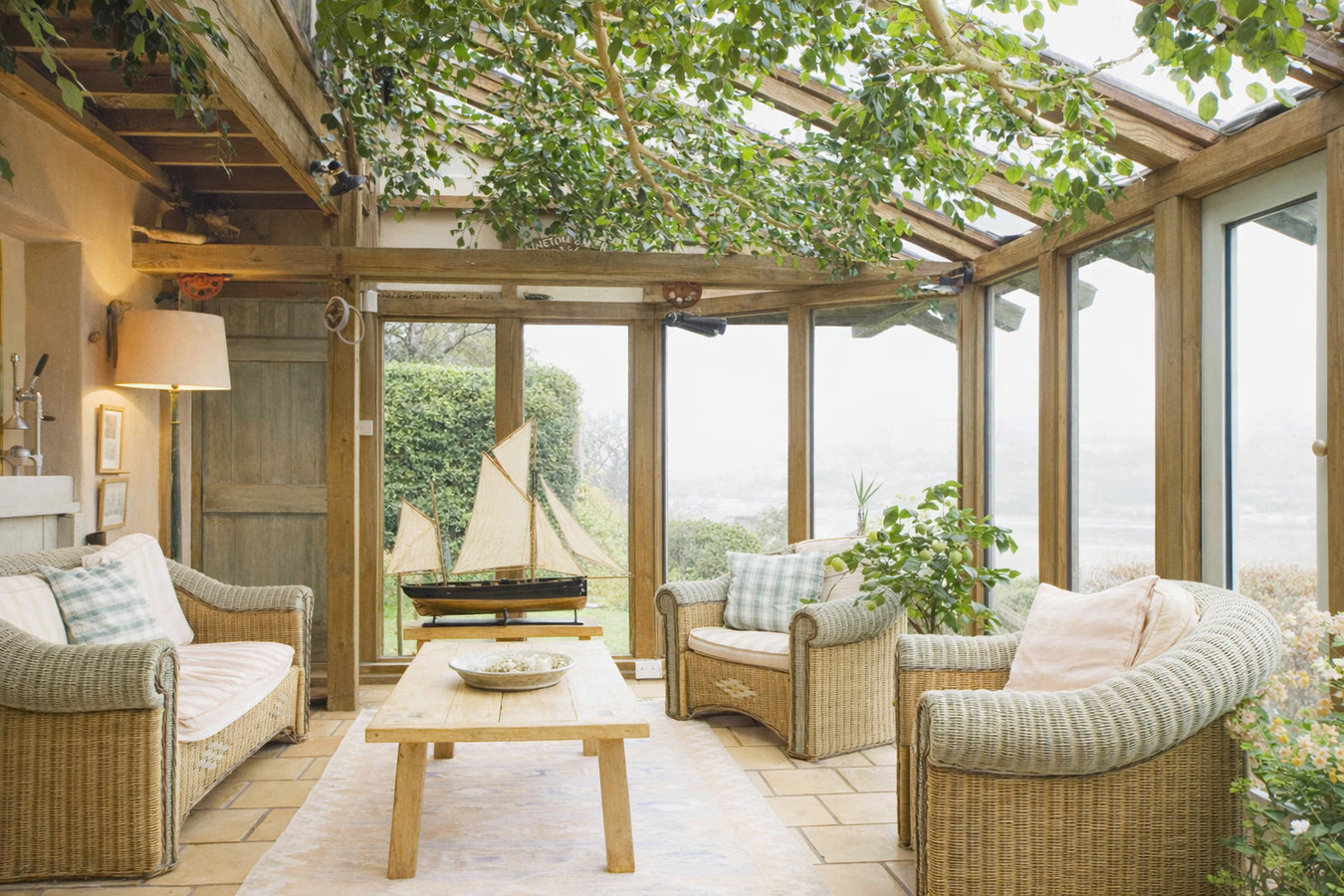
Clovis Sunrooms and Patios has served Clovis homeowners with sunroom additions, custom enclosures, and patio conversions since 2017 - licensed, local, and built for the Central Valley climate.
Clovis Sunrooms and Patios has served Clovis homeowners with sunroom additions, custom enclosures, and patio conversions since 2017 - licensed, local, and built for the Central Valley climate.
Clovis homeowners who want more livable square footage without the disruption of a full interior remodel turn to sunroom additions to get a bright, connected space off the back of the house. Because most Clovis homes sit on slab foundations, our crew is experienced in the footing work required to connect a new room properly to an existing slab in Central Valley clay soil.
A fully climate-controlled sunroom lets Clovis residents use the space in December fog and August heat alike. We build four season rooms with insulated frames and low-E glass that keep interior temperatures comfortable even when the Valley thermometer pushes past 105 degrees.
For homeowners who want to enjoy spring, fall, and Clovis winters without the cost of a fully conditioned room, a three season sunroom is a smart, more affordable option. These rooms are designed to handle mild temperatures and keep out rain and bugs while still feeling open and light-filled.
Clovis homes built in the 1980s and 1990s often have a plain concrete patio off the back that sits empty all summer. Enclosing that patio turns an unused slab into a protected living area that stays shaded and comfortable even in the hottest months of the year.
No two yards in Clovis are exactly the same - some face west into afternoon sun, others have HOA setback requirements, and a few back up to block walls that need to be worked around. A custom design lets us build a room that fits your actual lot, not a one-size template.
During Clovis spring and fall evenings the weather is pleasant, but mosquitoes and valley dust can make sitting outside uncomfortable. A screen room gives you open-air ventilation and evening breezes while keeping insects and airborne particles from settling on everything.
Clovis summers are long and genuinely brutal. Temperatures above 100 degrees are routine from June through September, and the heat is dry - the kind that bakes exterior materials and turns a poorly designed sunroom into an unusable greenhouse. A contractor who builds the same room in Clovis as they would in Marin County will leave you with a space you avoid all summer. Every sunroom we build in Clovis starts with an honest conversation about solar orientation, glass specification, and how the room will perform when the thermometer hits 108 degrees at three in the afternoon.
The clay soil underneath most Clovis homes adds another layer of local expertise that matters. Expansive clay swells when winter rain comes and shrinks when the dry season bakes it back out - and that seasonal movement puts stress on any concrete work attached to your home. Getting the footing design right for a slab-on-grade Clovis home requires direct experience with this soil, not just general construction knowledge. We have poured footings and connected additions to hundreds of homes on this soil, and we know where the movement happens and how to account for it.
Our crew pulls permits regularly from the City of Clovis Building and Safety Division and we know the current turnaround times, what plan checkers look for, and how to avoid the back-and-forth that delays projects. Clovis operates its own permit office separate from Fresno County, and navigating that process smoothly comes from doing it repeatedly - not from looking up the address on the day of submittal.
We work on homes throughout Clovis, from the older neighborhoods near Old Town Clovis on Clovis Avenue to the newer subdivisions off Herndon Avenue and Shepherd Avenue in the north. The housing stock in each part of the city is different - older homes near downtown often have smaller lots and raised foundations, while the tract homes built in the 1990s on the north side sit on slab foundations with HOA rules that govern exterior changes. Knowing which type of property we are walking into before we arrive saves time and avoids surprises during construction.
Clovis sits right next to Fresno, and many of our customers work in Fresno but prefer the quieter feel and school district on the Clovis side of the line. We serve both cities and know the difference in permit processes, HOA density, and property types between the two.
We reply to all new inquiries within one business day. The first call is a short conversation about your home and what you are hoping to build - no pressure, no sales pitch, just enough to know whether a site visit makes sense.
We come to your Clovis home, measure the space, look at your foundation type, and discuss how you plan to use the room. You leave with a written estimate - no verbal ballpark - so you can compare fairly and plan your budget accurately.
We submit plans to the City of Clovis Building and Safety Division and handle any HOA paperwork on your behalf. Permit approval typically takes two to six weeks, and we schedule your construction start date as soon as approval comes through.
Most Clovis builds run four to eight weeks from first day on site to final walkthrough. We schedule all required city inspections and walk you through the finished room before we consider the job done.
We serve homeowners throughout Clovis and the surrounding Central Valley. Call us or fill out the form and we will reach back out within one business day with next steps.
(559) 826-1896Clovis is an incorporated city of roughly 120,000 people sitting directly east of Fresno in the San Joaquin Valley. It is its own city with its own government, police department, and building department - not a Fresno suburb, even though the two cities share a border. Residents tend to be long-term homeowners who chose Clovis for the Clovis Unified School District, the quieter streets, and the suburban character of the neighborhoods. The city ranges from the historic Old Town district along Clovis Avenue - with its weekly farmers market and older storefronts near the original railroad depot - to large newer subdivisions spreading north toward Herndon Avenue and east toward the foothills.
The housing stock in Clovis reflects its growth pattern. Older homes near Old Town are from the 1940s through 1960s and tend to be smaller with different construction details than the city's newer areas. Most of the city, however, was built between 1980 and 2010 - stucco-sided single-family homes on modest lots with attached garages, concrete driveways, and backyard patios. These are exactly the homes where a sunroom or patio enclosure makes the most sense: there is space in the back, the patio slab is already there, and the homes are old enough that the owners have started thinking about improvements. We also regularly work in Sanger and the other communities throughout the Fresno metro when homeowners reach out from just outside the Clovis city limits.
Summer fills up fast. Call (559) 826-1896 or request your free estimate online and we will get you on the schedule before the busy season.